Rehearse using the actual presentation app, power source, and display. Test a pause longer than your display timeout. If the screen sleeps, use a timed display-and-system awake session and stop it afterward.
Test the longest quiet moment
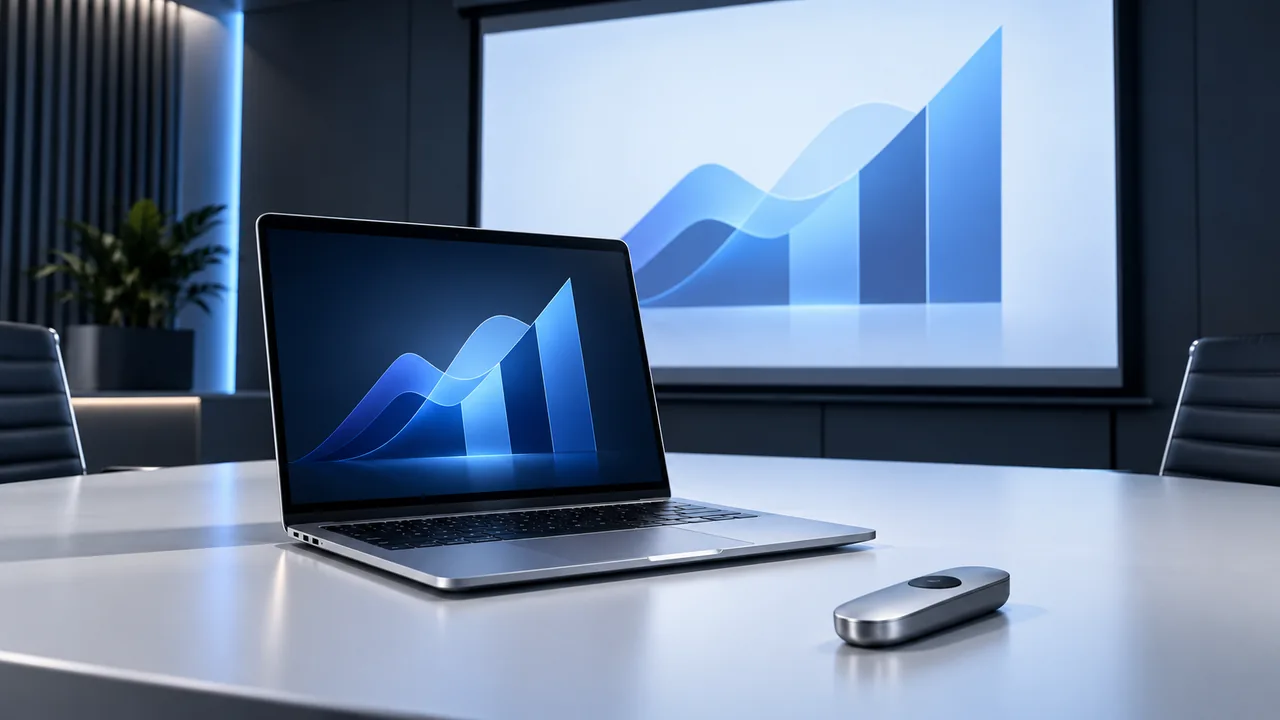
A presentation can work perfectly while you click through slides, then lose the screen during a discussion. A software demo has a similar gap when the audience asks a question and nobody touches the keyboard.
Build that quiet stretch into your rehearsal. Keep one slide or demo view open without input for longer than you expect to pause on the day. Test both the Mac’s screen and the audience display. This tells you whether you need an awake session at all.
Rehearse the actual display arrangement
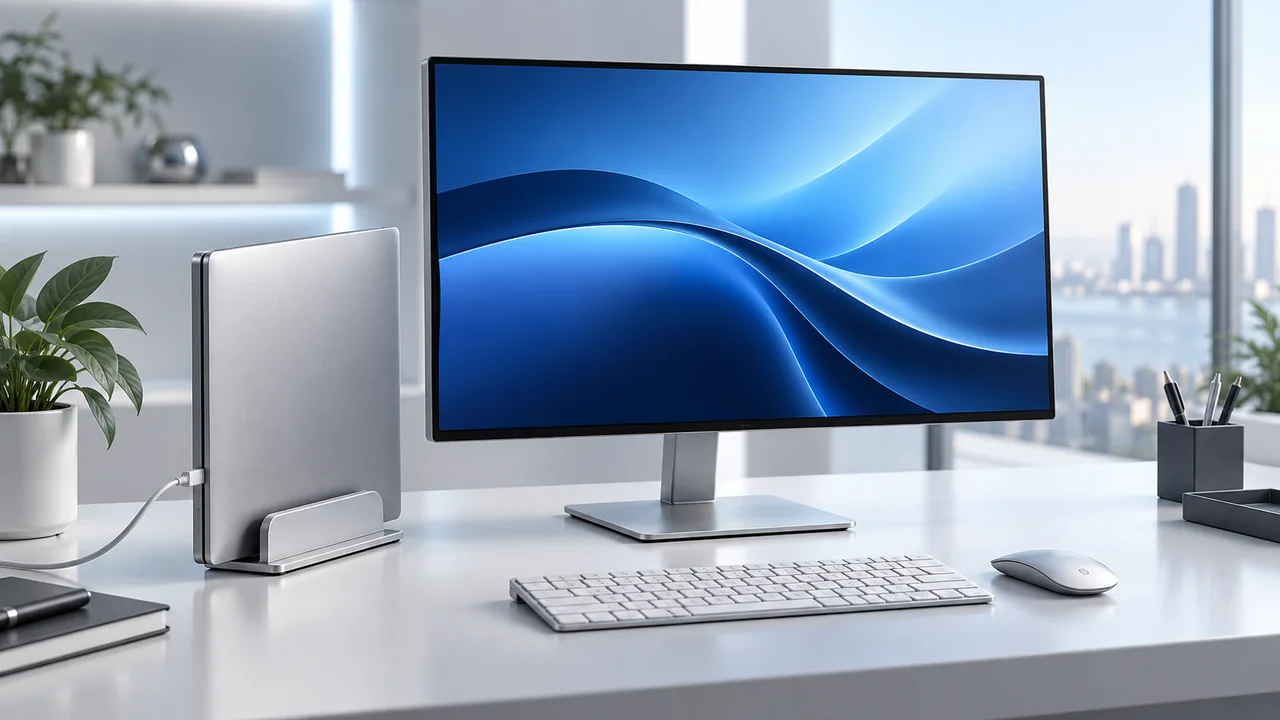
Connect the projector or external display you plan to use, where practical. Check whether the audience should see a mirrored desktop, a dedicated slideshow, or an application window. Confirm where presenter notes appear before displaying private notes or other windows.
Keynote includes a rehearsal mode with presenter tools. Use it to check pacing and notes, then also test the real external-display arrangement. Rehearsing on the laptop alone does not verify the projector, dock, or room connection.
If a screen becomes blank immediately after connection, use the external-display checklist. That is a different issue from a screen that turns off after several minutes.
Use a timed awake session when needed
For a 90-minute presentation, this example requests that the display and system stay awake during idle periods:
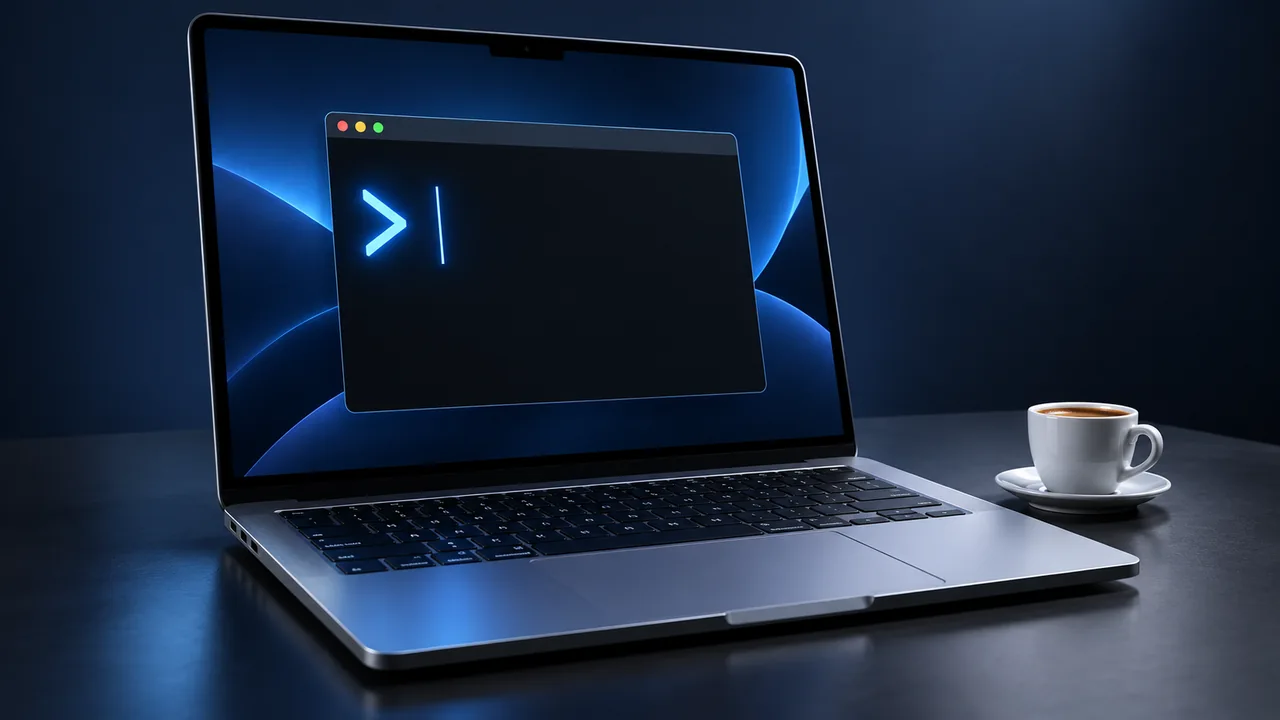
caffeinate -di -t 5400Open Terminal, enter the command, and leave it running while presenting. Press Control-C in that Terminal window to end the request early. The time is in seconds; allow for setup, questions, and a reasonable buffer.
This request does not launch slides, advance them, repair an internet connection, or control a remote meeting service. Keep a separate check for each part of the presentation. The caffeinate guide explains the options.
If you prefer menu-bar controls
Mouse Jiggler can provide a familiar on/off control and planned deactivation. Before presenting, leave optional clicks and scrolling set to None unless they are deliberately part of your demonstration. Unwanted input is particularly distracting on a shared screen.
Check the idle delay and any Only While App condition. A foreground-app condition can change when you switch from slides to a browser demo. Test the exact sequence of apps you will show, including the long quiet pause.
Some Mouse Jiggler controls require PRO. The timing guide explains how the controls fit together.
Finish with a predictable reset
- Stop the timed session or switch Mouse Jiggler off when the presentation ends.
- Restore any display timeout you changed for the event.
- Disconnect the audience display after closing the presentation.
- Confirm that the Mac returns to its normal sleep and lock routine.
Save the successful setup as a short personal checklist: power source, display connection, presentation mode, awake method, and end time. Reuse it for the next event, and repeat the pause test after a meaningful app or macOS update.
Make your next session simpler.
Explore Mouse Jiggler’s menu-bar movement, timing, and scheduling controls.
Download for Mac